
Where our trees grow.
SoftStep works with landowners, local farmers and specialist planting partners to deliver woodland protection and tree-planting services. Projects may take place on land owned by SoftStep or land managed by other organisations.
Your payment purchases a tree-planting service from SoftStep. We commission or coordinate nurseries, farmers and planting partners to deliver it, focusing on areas where deforestation or wildfires have devastated the land. Paying them also means they don’t need to cut down more trees to use the land for something else.
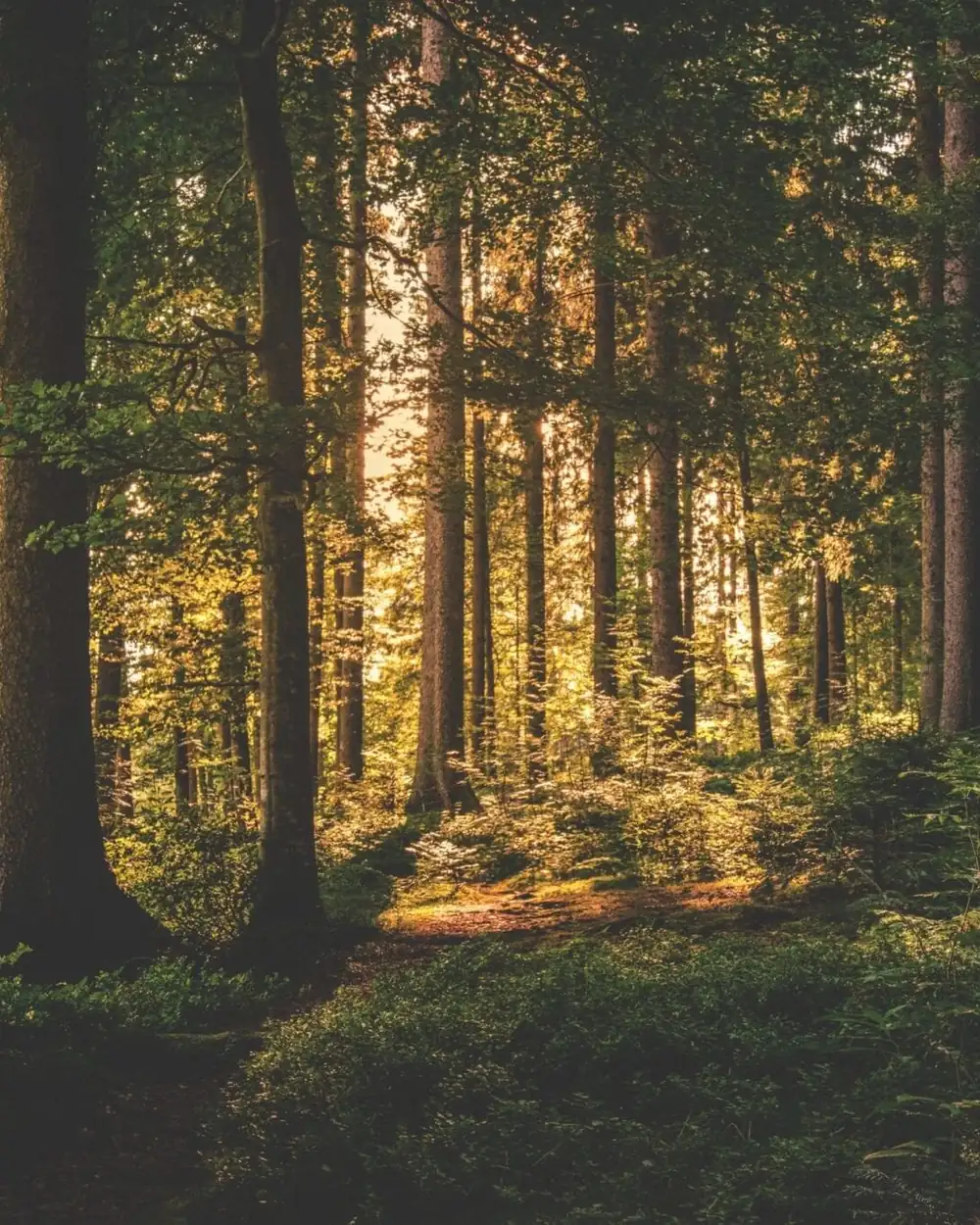
We buy, tie land owners into long leases, or work with international farmers and partners to pay to stop forests from being destroyed.
It’s the truth, land owners need money, our goal is to pay them enough that they make more money protecting the forests than destroying them.
How it works is incredibly simple, and amazingly transparent
You join as a SoftStep member
Selecting the service you want during signup and how much forest protection your plan includes
Once joined, we arrange the forest protection included in your plan
Land could be small woodlands at risk of being cut down or large forests where commercial logging could devastate it
Protection is delivered through landowners and partners
Paying to protect land that could be cut down for farming, or expansions, means land owners get long term income, instead of having to sell their land.
How planting is arranged.
- We choose the forest
Our team prioritises which projects need the most help.
- Planting is commissioned
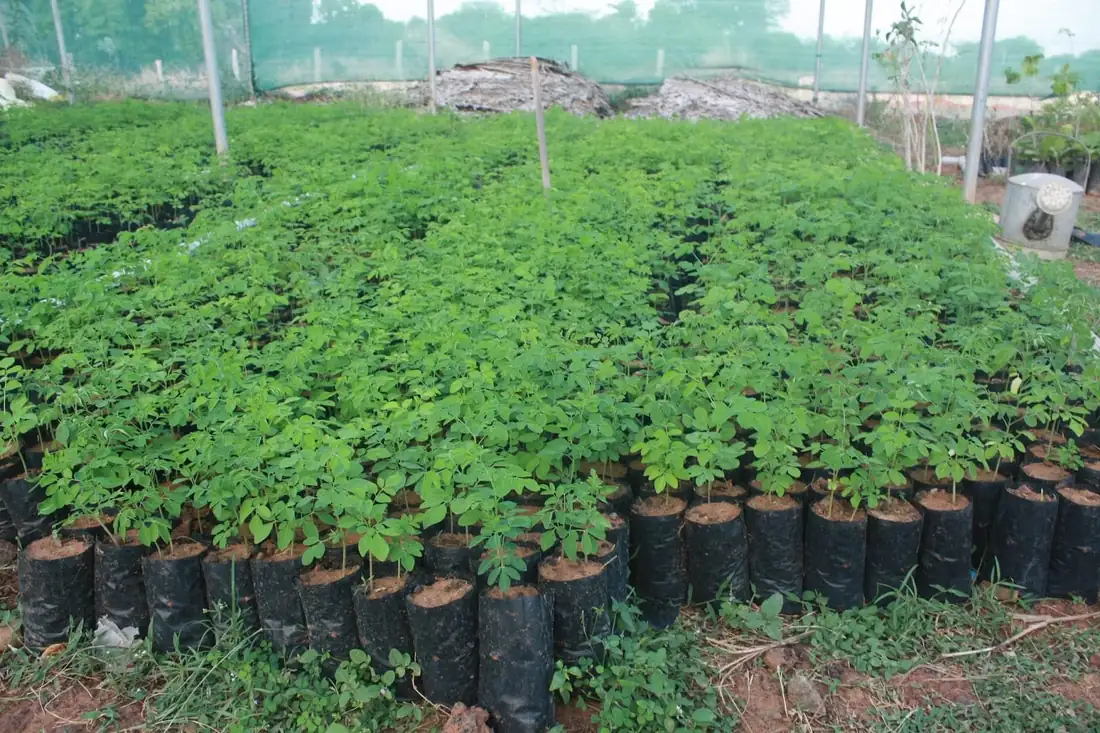
SoftStep allocates your purchased service through its planting network and commissions nurseries, farmers and planting partners.
- Seedlings are raised
Local nurseries and growing partners raise seedlings for the project.
- Into the ground
Tree growing and planting follow the seasonal requirements of each project. Schedules and updates are shared where available.
From £4.95 a month. Cancel online any time.
Point at a map and say: I helped keep that standing.
Conservation shouldn’t feel vague. That’s why project locations, maps and progress updates are provided where available. The level of detail depends on the project and partner.
Where available, you’ll see:
- Real coordinates and boundaries
- Real photos and updates over time
- Real growth in the canopy, not just in our income
We want you to be able to point at a map, and a patch of forest on it, and say, “I helped keep that standing,” or “I helped grow that from bare ground.”

From the UK to Africa and the Amazon.
We focus on transparency, and nothing is more transparent than physically expanding forests as more customers join. Your plan pays for forest and habitat work in the regions you care about.
Growing local trees, locally.
In the UK we have access to farmland and sites where we grow saplings, expand woodland edges, and link up fragments of forest. Most UK trees in our network are grown from seed to sapling by specialist nursery partners before they ever touch the soil outdoors.
Our long-term goal is simple: nurseries and forest projects in every country we can reach across Europe. A network of local teams growing local trees, rather than shipping saplings around the continent.

Some forests are too important to lose even once.
In the Amazon we focus on protecting existing rainforest through verified protection schemes instead of just planting new trees somewhere else. Mature rainforest is one of the planet’s largest carbon stores and oxygen producers; protecting those trees now beats waiting decades for replacements to catch up.

Restoring degraded land with native trees.
Across parts of Africa, we work with community nurseries and local partners to restore degraded land with native trees. The aim is to:
- Plant site-appropriate species that can handle heat and water stress
- Create local jobs in nurseries and long-term site care
- Build biodiversity corridors so wildlife, pollinators, and people all benefit
The people we work with.
Farmers and landowners grow, plant and look after the trees our members pay for. They live where the trees grow, so every new forest is cared for by the people who depend on it.

A farmer among the trees he planted 
Seedlings growing in a local tree nursery 
A new planting, freshly set out 
Farmers on their tree plot 
Young trees taking hold
What happens when you join.
- New customer joins
As soon as a new customer joins, we allocate their purchased service to the next forest site or degraded land parcel in our pipeline, not an abstract “tree fund”. That might be a new block of woodland in the UK, a reforestation zone in Africa, or added protection around existing rainforest.
- Forest protection & planning
On each site we:
- Secure legal protection, a long-term agreement or, where applicable, ownership so it can’t simply be logged or repurposed later.
- Plan the right mix of native trees, planting layout, and access.
- Start planting and soil restoration as soon as conditions allow.
- Habitat nurturing
After planting, the project team stays with the site. That means:
- Replacing failed saplings and keeping young trees ahead of weeds.
- Maintaining firebreaks and access routes.
- Letting deadwood, understory and edge habitat form naturally so the forest fills with birds, insects, and mammals, not just trunks in a line.
Protection planned for the long term.
Why ownership matters
Protecting forests through ownership and long-term agreements.
Our work includes specific landholdings, where applicable, and projects delivered with independent landowners and conservation partners. Where land is secured, restoration is planned for decades, not short cycles.
Reforesting in Africa
Native trees. Local jobs. Verified progress.
Our partners restore degraded land with site-right native species, community nurseries, soil and water rehab, and post-planting care. Where available, GPS mapping and regular checks track survival and growth.
How we restore
From bare ground to living forest.
- Seed collection & provenance
- Nursery propagation & hardening
- Enrichment planting & corridor design
- Invasive removal & firebreaks
- 24–36 months of maintenance
Don't just take our word for it
- ★★★★★Verified Review
“You guys felt different. I’m not guessing where my money goes. I can see the new patch my plan helped protect and watch restoration updates roll in. It’s tangible, which I love.”
ElizabethLincolnshire · Monthly customer since March 2025 - ★★★★★Verified Review
“Our kids track the meadow map in the update emails. It’s the first time we’ve been able to point to a spot and say, ‘we helped protect that.’”
Max & ClaireSouthampton · Proud family saving bees - ★★★★★Verified Review
“Transparent team, proper ecological guidance, and steady progress photos. Watching a tired field start to return with native flowers over the season was the proof I needed that this model works.”
James BBournemouth - ★★★★★Verified Review
“This made immediate sense: every new member means more work on the ground. Seeing exactly how it works gave me confidence.”
Nicholas D.Guildford - ★★★★★Verified Review
“I’m a retired farmer so I understand the effects caused by mass farming and over development. It’s nice to find a company trying to make an active change.”
AndyHeckington - ★★★★★Verified Review
“I’m not much of a nature loving person, even though I pretend to be when I put my welly boots on and go to the pub, but I have seen the places I’d usually walk my dog shrinking rapidly. So thought I’d do my part and sign up. A great idea to be honest.”
AdeleCoventry
Your plan helps expand wild habitat. #ExpandTheForest
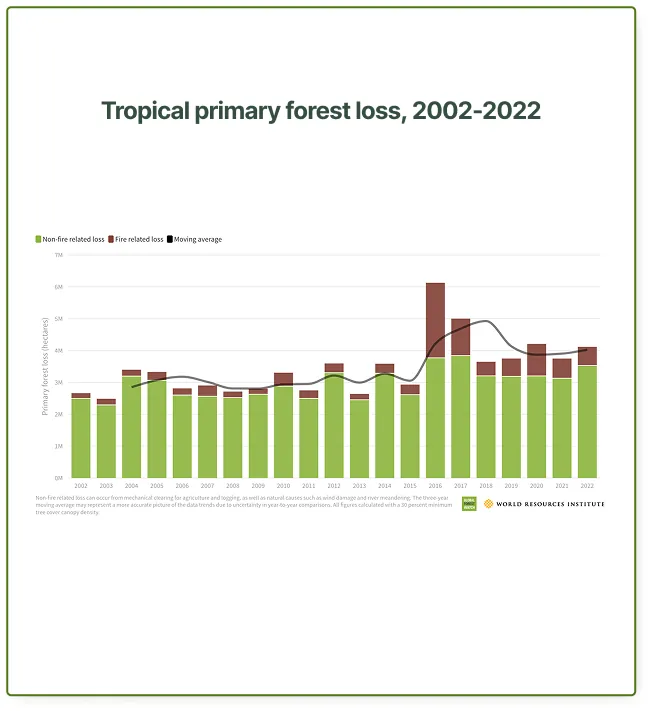
Forests take time to grow, but almost no time to lose.
Here’s the reality of what’s happening to our forests, and why waiting isn’t an option anymore.
We’re planting new woodlands, but still nowhere near the levels needed. The UK once planted around 30,000 hectares of new woodland a year; today we’re doing a fraction of that, while older forests are still being lost.
Around the world, some of our most powerful natural carbon stores, mature forests and rainforests, are being cut faster than they can regrow. Every lost forest is decades of stored carbon and habitat gone in days.
Trees are already doing the work: drawing down carbon, cooling landscapes, holding water in the soil, and sheltering wildlife. Cutting them down only to spend 20+ years growing replacements is a terrible trade.
That’s why we focus on protecting existing forests where we can, and replanting degraded land where we must, right now, not in some distant “climate plan” document.
Stats sourced from the BBC.
Your questions
What exactly do we do?
We acquire or secure land and work with farmers and landowners to protect and restore forests and meadows, plant native trees, and expand biodiversity corridors.
What happens after I pay?
SoftStep allocates your purchased service through its planting network. Local partners grow and plant trees and share project information where available.
How do we measure impact?
By land and life: square metres protected, trees planted, and connected habitats, not by pounds raised. We track forest expansion and meadow protection month by month.
How do I see my impact?
Every plan corresponds to a defined service. Project locations, maps and progress updates are provided where available; the level of detail depends on the project and partner.
When are the trees planted?
Tree growing and planting follow the seasonal requirements of each project. Schedules and updates are shared where available.