
Nature doesn’t need more speeches. It needs real work.
SoftStep exists because nature does not need more speeches. It needs real land protected, real habitats restored, and real work that actually gets done.
We built SoftStep to be simple. SoftStep is a commercial environmental service business. Individuals and businesses pay for defined services such as tree planting, forest protection and habitat restoration. We arrange and manage delivery through specialist partners, farmers, conservation organisations and landowners. Not recycled feel-good marketing. Not fluffy claims. Just a straightforward way to pay for work that protects and restores the natural world.
A few “what the FU*k” stats to help you understand why we’re doing what we do
- 73%average fall in monitored wildlife populations since 1970.Source: WWF Living Planet Report 2024
- 10 millionhectares of forest lost around the world every year.Source: UN FAO, 2015 to 2020
- 1 in 6species in Great Britain is at risk of being lost.Source: State of Nature 2023
- 97%of the UK's wildflower meadows lost since the 1930s.Source: Plantlife
Nature can’t wait for “targets” and nice speeches.
SoftStep exists for one reason. Land gets ploughed, sprayed, built on, logged, drained, and once it’s gone, it’s GONE.
So we built a simpler model: customers buy a defined service, and that service is delivered on real land.
Not a recycled “adopt the same thing” story. Not vague promises. Actual hectares and square metres that grow with the community.
Everyone preaches about saving the planet. Then nothing happens.
Every parliament member, mayor, local council or even beauty queen preaches about saving the planet, but when they get elected... nothing happens. So that's why we're here! We were founded to make a difference, a difference that people promise they'll do but have fallen short of year on year.
In the year to March 2019, the number of trees planted across the UK went up: 13,400 hectares of new woodland was planted. Most of it was in Scotland (11,200 hectares), while there was actually a decrease in planting in England. But these UK-wide figures fall way short of where they were in the late 1980s, when about 30,000 hectares were planted every year.
Meanwhile, the Conservatives pledged to plant at least 30 million more trees every year, the Lib Dems and the SNP each said they would plant 60 million trees a year, while the Green Party would aim to plant 700 million trees by 2030.
Do you think the government will hit its targets? If so then maybe it is safer in their hands, or maybe every little helps.
Too much of the environmental space talks big and proves very little.
We built SoftStep to make environmental services straightforward to purchase and understand. Customers choose a plan, and we coordinate the specialist partners responsible for delivering the work. Our services are delivered on land owned or managed by the relevant landowners and project partners, including land owned by SoftStep where applicable.
We are not here to guilt people. We are here to give them a better option than doing nothing.
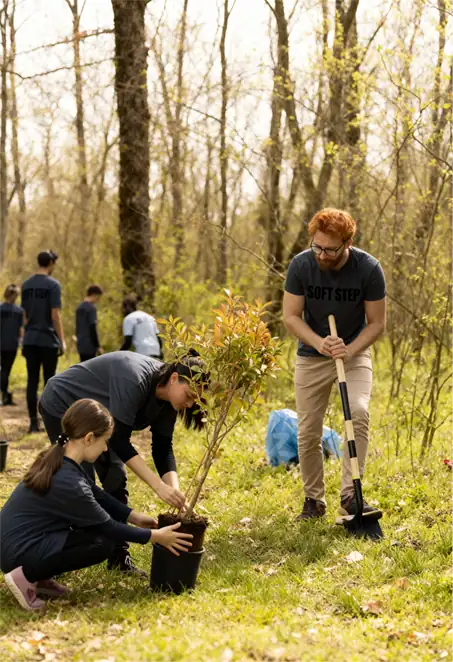
Planting, protecting and expanding.
A growing nursery in every country.
Currently, we have access to farmland across the UK for growing saplings. We're constantly reaching out to new forestry departments and private forest owners to plant trees, but that's not enough. Our next step is to replicate this model across Europe and further, with tree growing nurseries in every country. It's a bold plan, but we'll get there.
Read more
Verified protection for standing forest.
We're now working with Verified Carbon Standard REDD projects, which allows us to offset hundreds of tonnes of CO2 through an official, verified route. The trouble with trees is they don't do what you want them to: some grow to be giants, some stay small, some get hit by lightning, some get covered in ivy. So accurately forecasting actual lifetime carbon is hard.
Read more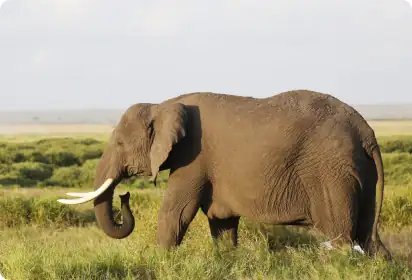
Protect the habitat endangered species live in.
Sometimes people don't see the importance of things, even though looking after one thing tends to help others as well. So for the people that don't fancy paying to plant a tree, how about helping protect the forests endangered species live in? That's our next step: launching our animal protection team, protecting their natural habitat while it recovers.
Read moreMore than planting trees.
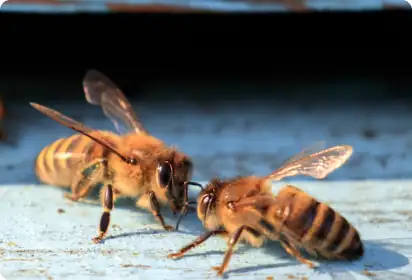
One of nature’s most important workers.
Bees do far more than most people realise. They help pollinate the plants, crops and wildflowers that keep ecosystems alive.
We’re creating and improving bee-friendly spaces where pollinators can thrive. It’s a simple way to back biodiversity, strengthen local habitats, and make a real difference beyond planting trees.
Read more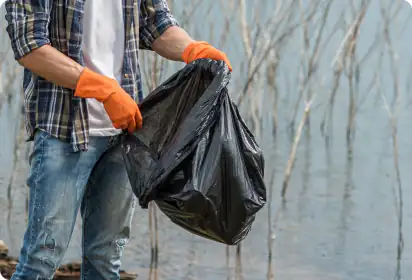
Cleaner, safer, healthier spaces.
Not every step towards a better planet starts with planting. Sometimes it starts with picking up what’s already been left behind. Our rubbish pickup work tackles waste before it damages green spaces, waterways and wildlife.
Small actions add up, and every bag collected is one less burden on the world around us.
Read more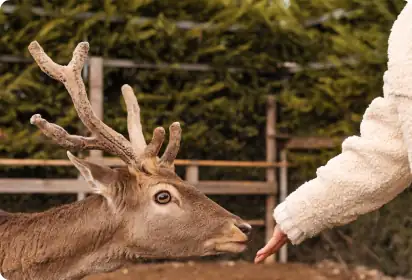
Somewhere safe to recover.
Protecting nature means protecting the animals that depend on it. Our wildlife work supports habitats, safeguards vulnerable species, and helps create spaces where wildlife can recover and survive.
When we protect wildlife, we also protect forests, ecosystems and the balance that keeps everything connected.
Read moreA team that actually shows up when it rains.
We're a group of carefully selected people to ensure every step we take is the correct one: business-minded people focused on working with businesses, doctorates in agronomy focused on giving saplings the best chance of becoming full grown, nature lovers to make sure we're all on the same track, and much more.
SoftStep is a mix of:
- People who live outdoors and know land management in practice
- Science-led brains (agronomy and ecology) who obsess over survival rates and habitat design
- Business and partnerships people, because every service needs reliable delivery partners
- Builders who make the traceability experience clear and usable
No corporate theatre.
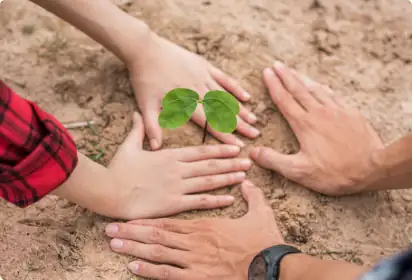
Our story
“To be transparent, to give back and to start something that will be passed on for others to continue. As it's not about us, but the future.” Founder mission statement
History
Foreword: I'm not really one for talking about myself, ask anyone who knows me. However, after being informed by a PR agency that it's the best way to connect, and being told it's not the same if I use a cartoon picture of me or write as if it's an essay, I took their advice.
I was brought up on a working farm, being in nature from a young age: the freezing cold 4am starts, soggy socks in your boots. It does something to you.
I moved on to spend a couple of years working for a famous agricultural research centre, working mainly with plant-parasitic nematodes, before winning the Spark House entrepreneurs grant and making the move into the commercial world when I was around 20. But I never lost the itch to be outside.
In 2016–2018 I helped a charity in London gain access to £250,000 a year in funding. In 2018/2019 I decided to focus back on nature, so with big dreams, I moved my attention to Asia. The goal was to create a dedicated team of beach cleaners in and around the countries where sea pollution was the worst.
I tried many different approaches, but the hardest part was finding someone trustworthy in each country. The process was simple: we would collect funds from UK companies who donated £XX for every tonne of plastic we removed from the ocean, and this money would go directly from the UK to a resident within each country who could organise the beach cleaning army and pay their salaries.
The issue was big. When the basic salary in countries like Indonesia can be as little as £300 a month, if we're transferring £10,000+ to pay the cleaning team, and most of the workers are paid in cash as they won't have bank accounts, it was too easy for the money to go missing.
Pessimistic, you may say, but even here in the UK, in the USA and in other western countries, big cat charity CEOs have been caught buying property through the donations their charities receive. It's an industry which can easily be abused.
So instead of packing it in, I went back to basics and something I knew well: UK farming. That took me on a 2-year quest to establish SoftStep. The first step in a huge global project.
3 great tips to having a softer carbon footprint
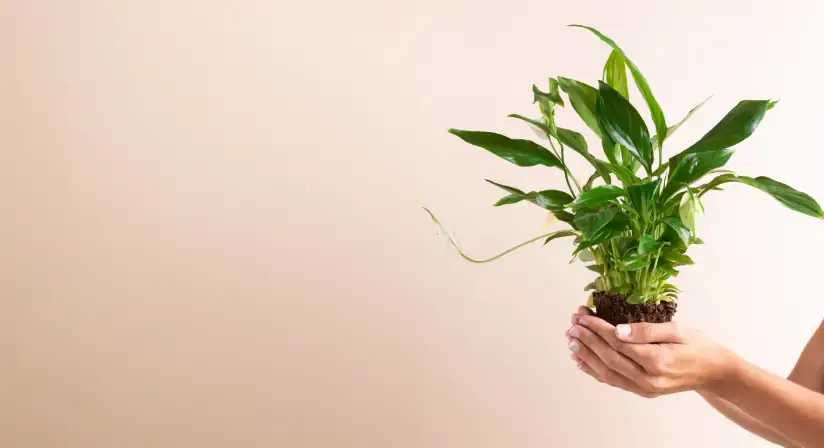
Grow something yourself.
While this doesn't reduce your carbon footprint on its own, it does help towards carbon offsetting. If everyone in the world did this, we'd be in a much better place.
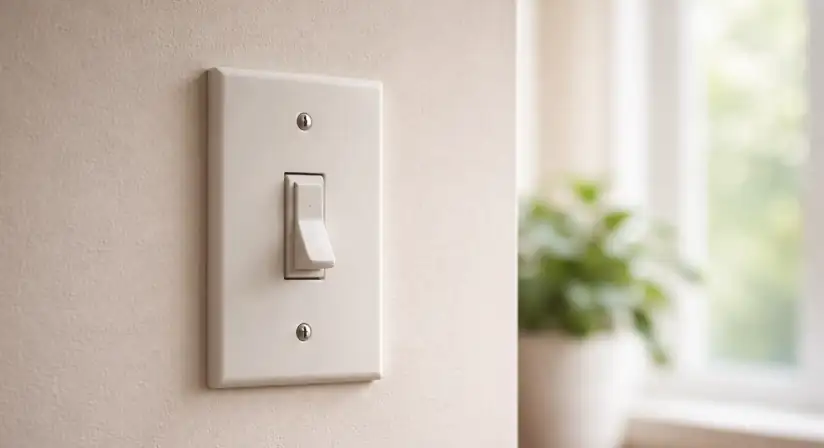
Use it less.
If it's making a noise, makes light or moves, there is a good chance it's consuming some form of fuel, whether electricity, coal, gas, petrol or anything else. So if it does one of those things, use it less and mainly be conscious about it.
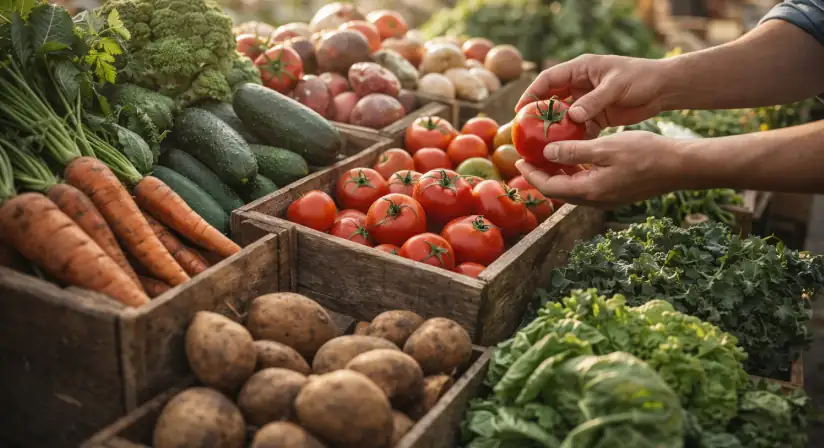
Eat healthily. Eat local.
We're not pretending to be vegans, nor vegetarians, but the mass consumption of meat does have a huge impact. Where possible avoid processed meats or vegetables. Eat healthily, eat local so it's not being shipped across the globe, and avoid battery farmed chickens and chemically grown potatoes.